
Building an Effective Hiring Plan
A company's sustainable growth depends on the quality of its hiring. Attracting the best possible candidates, controlling hiring costs, strengthening the team, and retaining new hires are all major challenges for HR. Meeting these challenges requires a well-defined, structured recruitment strategy.
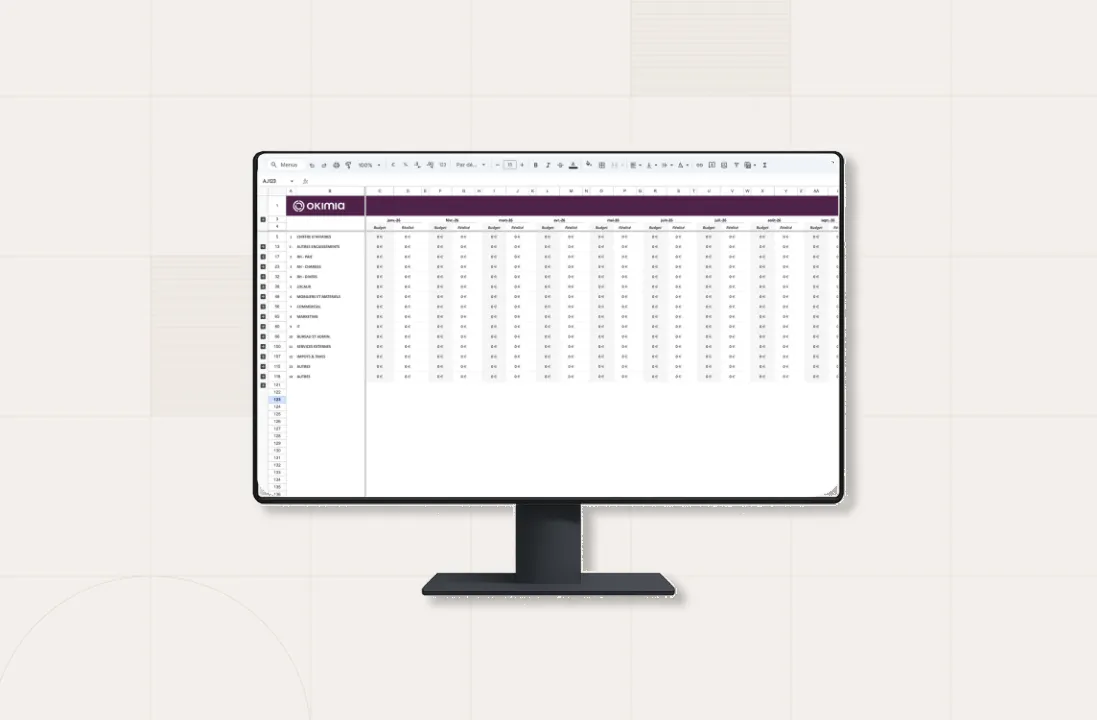
With that in mind, we're offering a free downloadable Excel hiring plan template. The purpose of this operational tool? To let you build a complete forecast — from job descriptions to hiring interviews, including sourcing, writing job postings, distributing them on the right job boards, and of course onboarding new employees.
With a monthly view of hiring costs, a detailed job description for each planned hire, and forward planning for departures or newly created roles, this plan will help you steer your HR strategy with greater clarity.
1. What Is a Hiring Plan?
Definition and Importance of the Hiring Plan
A hiring plan is an HR management tool that brings together everything needed to anticipate, organize, and track your future hires. It's a strategic document covering objectives, required skills, hiring dates, expected candidate profiles, hiring costs, candidate selection methods, and onboarding resources.
This document allows you to:
- Centralize managers' staffing needs
- Tailor sourcing to the key skills you need to acquire
- Define the right distribution channels: job boards, career sites, events, employee referrals…
- Track CVs, applications, interviews, and job offers made
- Measure the return on investment of each hire
Main Objectives
The goals of a hiring plan generally include:
- Aligning hires with the company's growth strategy
- Ensuring accurate identification of skill needs in the short, medium, and long term
- Avoiding costs linked to hiring mistakes (turnover, poor fit…)
- Improving onboarding and skill development for every new hire
- Smoothing collaboration between HR, operations, finance, and leadership teams
2. Steps to Build a Hiring Plan
Analyzing Staffing Needs
Any planning process must start with precisely identifying future staffing needs. Which roles need to be created or replaced? What are the teams' strategic goals? This step requires close collaboration between HR leadership, operational managers, and senior management.
At this stage, you should also account for anticipated departures, internal promotions, or market shifts that may require hiring new profiles with different expertise.
Identifying Required Skills
For each identified role, it's essential to define:
- Technical skills (software, languages, specific tools)
- Behavioral skills (leadership, autonomy, rigor)
- Seniority or education requirements
- Values compatible with company culture
Solid work on the job description helps refine the job posting and avoid gaps between candidate expectations and company needs.
Writing an Attractive Job Posting
The job posting must be clear, detailed, and appealing. It's an HR marketing tool that needs to convince talent to apply. Good copy should highlight the benefits, the mission, the work environment, and the specific expectations of the role.
Don't hesitate to adapt the tone of your postings depending on the channel: LinkedIn, Welcome to the Jungle, Indeed, etc.
Choosing Distribution Channels
The choice of job boards, career sites, or other distribution channels should match the profile you're looking for. For highly specialized roles, favor niche channels. For recent graduates, consider school job fairs or recruitment events.
Employee referrals are also an effective lever for reducing hiring costs and improving application quality. This involves recommending someone from one's network for an open position within the company. In practice, it's often current employees who put forward candidates they know and consider a good fit for the role. This hiring method has the advantage of speeding up the process, limiting costs, and increasing confidence in the application, since the recommendation comes from an internal source already invested in the organization.
Candidate Pre-Screening Process
Once CVs are received, you need to set up a sorting, scoring, or automated pre-screening process using an applicant tracking system (ATS). This provides a first filter before interviews.
Selection criteria should be transparent, justified, and aligned with the job description.
Conducting Hiring Interviews
Hiring interviews are the key step for validating skills and cultural fit. Use a variety of formats: HR interviews, technical interviews, case studies, informal conversations… Don't hesitate to involve future managers to help secure the decision.
Each interview should follow an assessment grid to make the candidate selection more objective.
Final Selection and Job Offer
Once the decision is made, you need to draft a clear, personalized job offer that highlights the role and its benefits. A final check of mutual expectations is recommended before signing.
Onboarding and Follow-Up for New Hires
At this stage, the hiring process isn't over yet… A well-designed onboarding process should also ease integration, reducing the risk of early departure. Plan for meetings, training sessions, regular check-ins, a welcome handbook, and a designated buddy or mentor.
New hires need to feel expected, supported, and valued from day one.
3. Which Tools and Techniques Help Optimize Hiring?
Applicant Tracking Software
An ATS (Applicant Tracking System) lets you track applications, organize interviews, store CVs, and automate certain tasks like follow-ups or interview scheduling. It's an essential tool for structuring and professionalizing recruitment.
Innovative Interview Techniques
Interview methods are evolving: job simulations, group interviews, or even HR "escape games." These varied formats allow for better assessment of skills and soft skills.
Talent Retention Strategies
Hiring is good. Keeping your talent is better. Offering growth opportunities, motivating projects, and recognition is essential. Post-onboarding follow-up is critical: it helps quickly detect signs of disengagement.
4. Download Your Free Excel Hiring Plan Template
Our Excel template supports you through every stage of hiring. With it, you can:
- Formalize your staffing needs
- Structure each job posting with precision
- Track hiring dates
- Assess monthly costs per role
- Plan your HR objectives for the year ahead
Fill out the form below to receive your free hiring plan template by email.
Discover Okimia
A complete platform to automate and optimize your cash management. Cash tracking, supplier payments, surplus cash investment: everything you need, in a single interface.