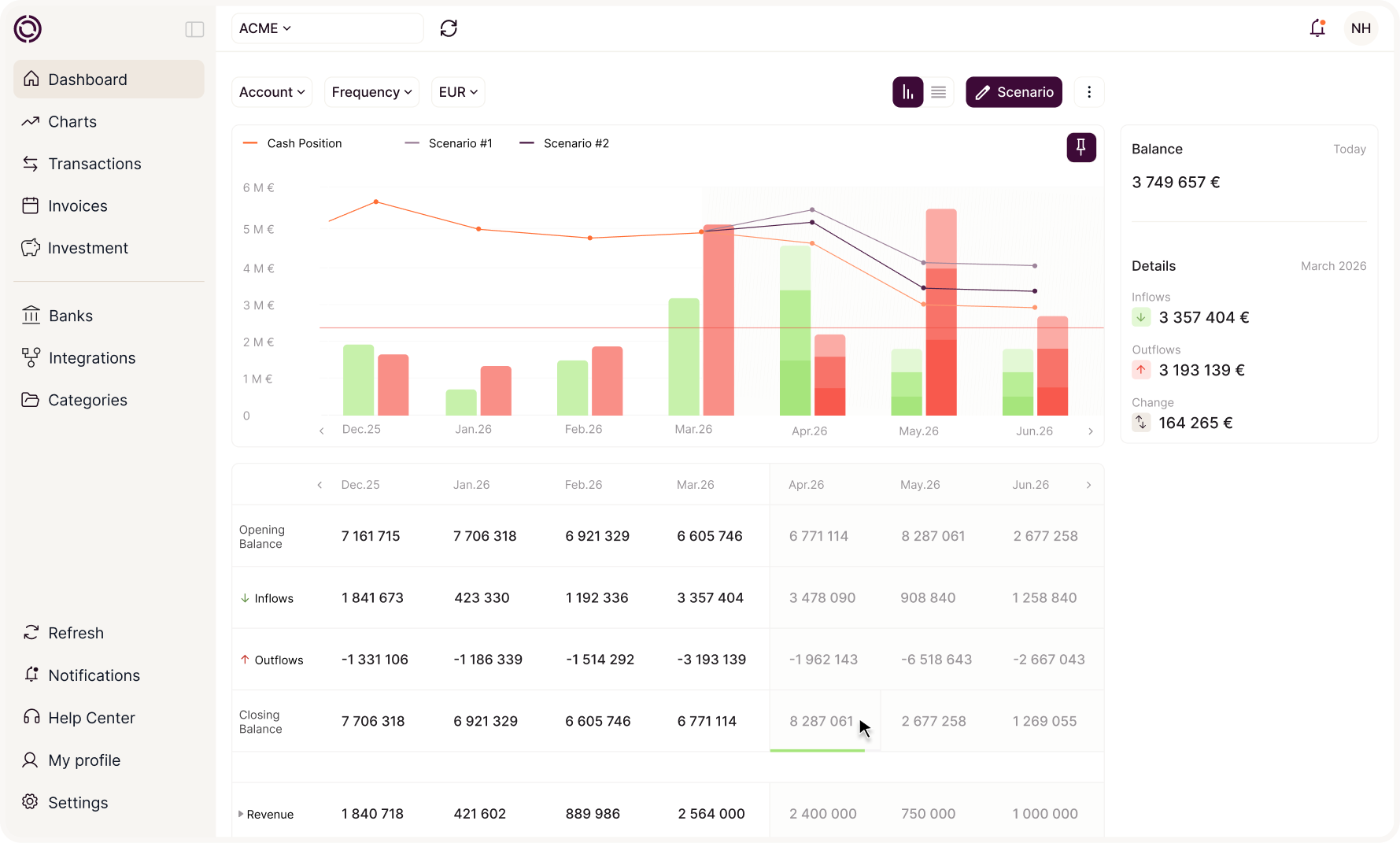
How to optimize cash management for a fashion business?
Fashion, and retail more broadly, faces strategic cash management challenges. In this article, let's look at what these challenges are, the best practices for handling them, and how Okimia could help you optimize cash management at your fashion business.

Fashion: the essentials on cash management
Cash management is a central strategic issue for fashion businesses, whose business model relies on very short collection cycles, high upfront investment, and heavy exposure to inventory risk. Cash is called on ahead of sales, sometimes months before a product goes to market, making financial forecasting essential:
Okimia helps fashion brands structure their cash management, secure financing for their collections, and precisely track profitability by product line, despite the sector's volatility.












The specific cash flow challenges fashion businesses face
Why is cash management particularly difficult for a business in the fashion sector? We've identified 3 major challenges.

Ultra-fast collection cycles and massive investment
The fashion sector is defined by extremely short collection cycles, generally two to four times a year.
Every new collection requires substantial investment in design, production, and marketing, before any revenue comes in at all. Brands have to fund the creation, manufacturing, and promotion of new lines several months before they can bring them to market, creating constant pressure on cash flow.
This significant financial lead time, combined with fast turnover, exposes businesses to significant cash flow risk.

Extreme inventory volatility and depreciation risk
The fashion industry faces a major inventory management challenge, defined by extremely rapid obsolescence.
Shifting trends and strong seasonality mean collections quickly lose value, sometimes overnight. Unsold inventory not only represents a significant tied-up asset, but also becomes an asset that depreciates at a dizzying rate.
Businesses constantly have to balance building enough inventory to meet demand against the risk of overstocking, which could jeopardize their financial balance.

A globalized value chain and financial flow complexity
The fashion sector is defined by a highly globalized value chain, involving sourcing, production, and sales across different countries and currencies. This international dimension creates considerable financial complexity: exchange rate fluctuations, payment terms that vary by region, international logistics costs, and a multitude of tax and trade regulations.
Every transaction becomes a cash management challenge, requiring constant visibility and anticipation to maintain the business's financial balance.
How to properly manage cash flow at a fashion business?
A few days is all it takes to automate your cash management
01.
02.
03.
Anticipate collection cycles and their financial impact
Cash management in the fashion sector requires a deep understanding of production cycles and their financial implications. Every new collection represents a massive investment involving significant design, production, and marketing costs, well before the first sale.
It's crucial to develop a financing strategy that accounts for these timing gaps between initial investment and returns.
This forward-looking approach helps precisely calibrate cash needs, anticipating periods of financial pressure tied to collection launches, while maintaining enough flexibility to adapt to market trends and demand fluctuations.
Master dynamic inventory management
The fashion sector is defined by high risks of overstocking and rapid depreciation of collections. Optimal inventory management then becomes a major strategic issue for preserving the business's financial health.
This approach requires developing strong agility in supply management, closely syncing production with consumption trends and sales forecasts. It means putting in place precise tracking mechanisms that allow quick adjustment of production volumes, negotiating flexible terms with suppliers, and implementing smart clearance strategies to minimize financial losses.
Precisely manage international financial flows
The fashion sector is defined by a deeply globalized value chain, involving complex, multi-currency financial flows. Managing these flows well becomes a crucial issue for maintaining stable, predictable cash flow.
This requires constant vigilance around exchange rate fluctuations, a detailed understanding of international tax regulations, and the ability to negotiate payment terms suited to each market. The goal is to build a financial strategy that minimizes currency risk, optimizes payment timelines, and ensures perfect traceability of international transactions, while maintaining enough flexibility to seize growth opportunities.

Ready to optimize your cash flow?
Discover how Okimia can transform your financial management starting today.
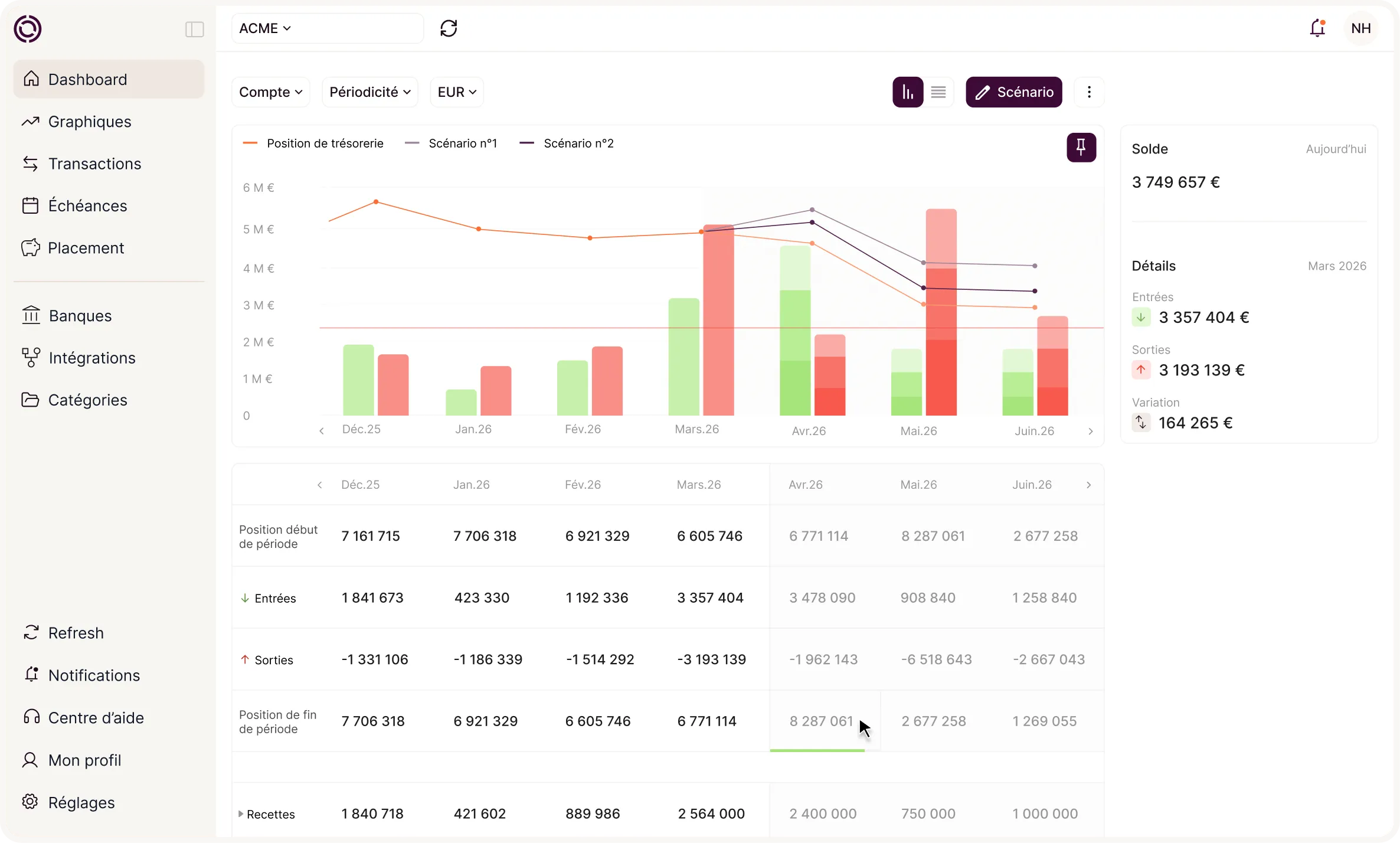
Why use Okimia for a fashion business?
Okimia is cash management software perfectly suited to the fashion sector. We also already have many clients using Okimia. Let's look at how Okimia could help your fashion business with cash management.
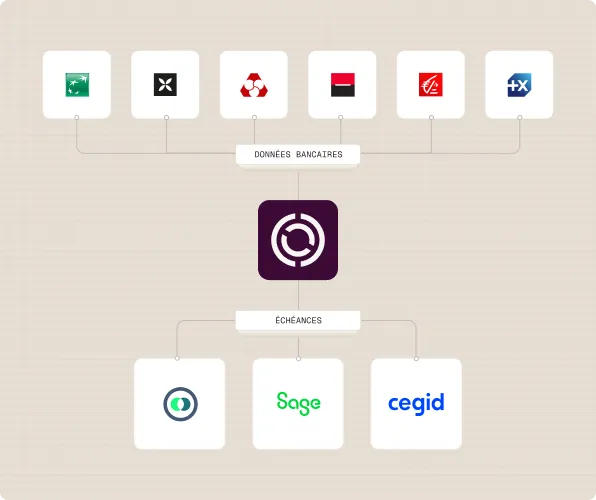
Automatic bank synchronization
Centralize and optimize your financial flows across your collections and international markets
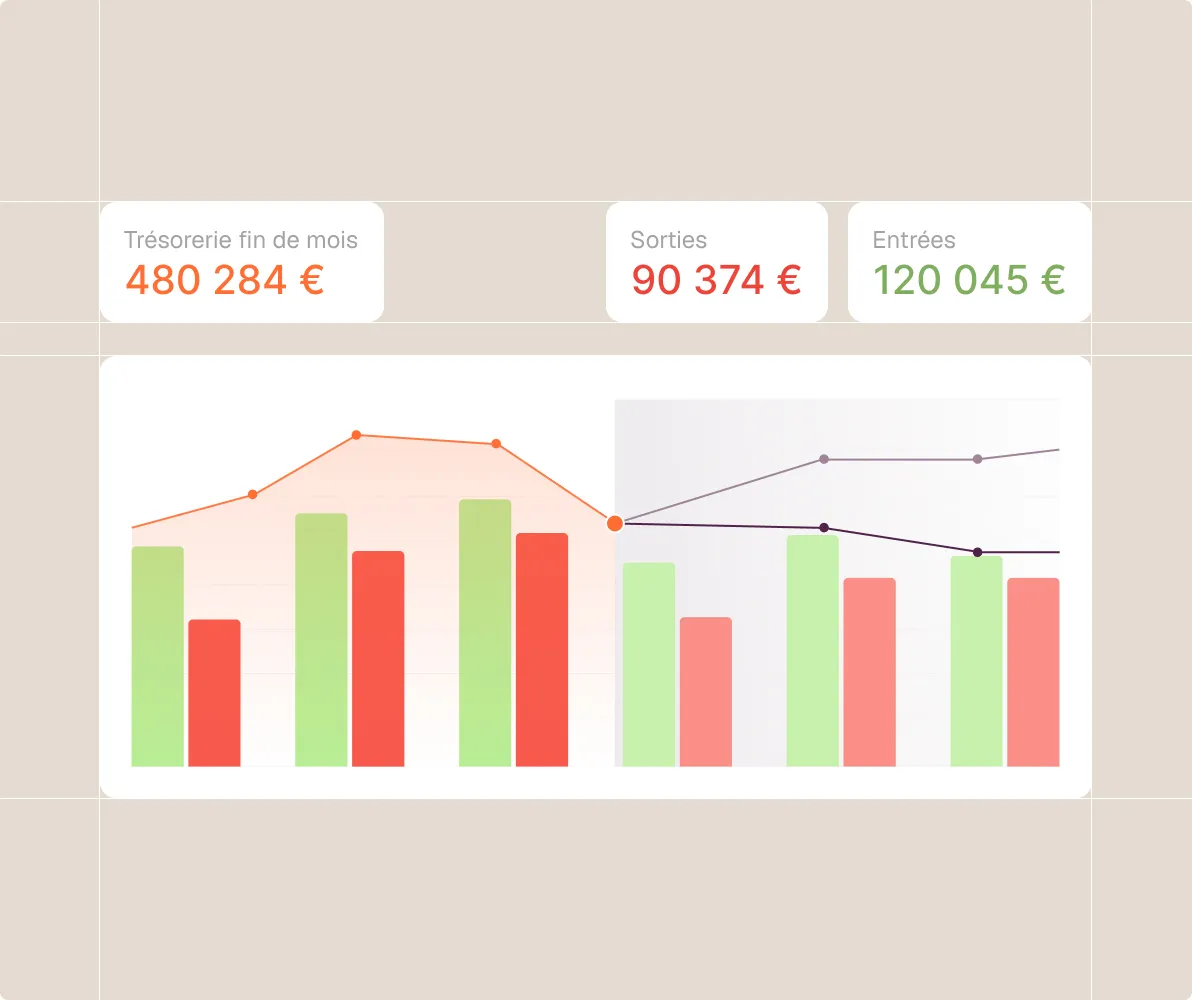
Dynamic cash flow forecasting
Anticipate the profitability of your collections and secure your investments
Forecast-vs-actual comparative analysis
Manage your financial strategy with precision and responsiveness
They chose Okimia
Here's what some of our clients say after choosing Okimia to visualize their financial data:

After trying several other cash flow software tools, I chose Okimia because it is simple to use, functional, and well-priced. When needed, the teams respond quickly and are there to listen.

Julien Dubertrand

Cash flow is often what makes the difference between a company that weathers the storms… and one that just endures them. At Altyma Management, we support business leaders every day to anticipate, manage, and secure their cash flow with the right tools like Okimia and a true strategic vision.

Thomas Desnot
A huge thank you to Julie from OKIMIA for her patience during our exchanges on how to use the tool! We are very well supported, thank you!

Sochanda Pich


We're here to help

Have more questions?
Don't hesitate to contact our teams.
How do I know if my fashion brand needs cash management software?
Your company needs cash management software if you face difficulties forecasting collection profitability, if manual flow management is becoming time-consuming, or if you lack visibility on your stocks and their valuations. This is particularly relevant if your annual revenue exceeds €1M or if you manage several collection lines.
How much does cash management software cost for a fashion company?
Prices vary significantly depending on the size and complexity of your brand. At Okimia, prices start at €69 per entity and bank account, with options adapted to the specifics of the fashion sector. The cost should be put into perspective with the potential savings: stock optimisation, reduced financial risks, and improved profitability per collection.
Who are Okimia's competitors in the fashion sector and which should I choose?
Okimia's main competitor is Agicap. But their positioning is different. Okimia's core target is SMEs looking for an excellent value-for-money solution, whereas Agicap is known for a much more complex and expensive solution, far better suited to large companies.
How long does it take to implement cash management software for a fashion brand?
Implementation varies depending on the complexity of your business model: a luxury brand with complex international circuits will take longer than a fast-fashion brand. The timeline can extend from a few days to several weeks, depending on the number of bank accounts, collection diversity, and required integrations. Okimia adapts to the variety of business models in the fashion sector.
How do I build reliable cash flow forecasts in the fashion sector?
For reliable forecasts, collect precise historical data covering at least two complete collection cycles. Analyse your flows taking into account the extreme seasonality of the sector, production delays, and raw material cost variations. Factor in creation costs, R&D investments, and potential overstock risks. Use differentiated scenarios for each type of collection and adjust your forecasts regularly based on consumption trends.
What are the advantages of cash management software over Excel for a fashion brand?
A cash management tool offers crucial automation for the fashion sector, significantly reducing error risks when managing collections. Unlike Excel, it enables real-time tracking of line profitability, anticipation of seasonal financing needs, and rapid detection of financial anomalies. Backups are automatic, secure, and synchronisation with international flows is instant.
How do I choose cash management software for a fashion company?
To choose the right cash management software, first identify the specifics of your model: fast fashion, luxury, or ready-to-wear. Look for a solution capable of managing the complexity of collections, short production cycles, and seasonal variations. Prioritise a tool offering international bank synchronisation, multi-currency management, and the ability to generate multiple scenarios. Okimia can be a solution adapted to the financial particularities of the fashion sector.
Request a demo
30 minutes with a specialist who will set up Okimia for your business. They will answer all your questions and show you the product in real-world conditions.
Free trial
Create your account and connect your banks in 5 minutes. 7 days free to explore Okimia at your own pace, no commitment.