How to optimize cash management for a holding company?
Do you run one or more holding companies and struggle to manage cash flow across multiple entities at once? That's completely normal. In this article, let's look at the solutions available to you, and how cash management software like Okimia could help.

Holding companies: the essentials on cash management
Cash management is a major strategic issue for a holding company, whose purpose is to oversee multiple entities with very different financial profiles. The difficulty comes from a high level of complexity in how financial flows move, get projected, and get allocated:
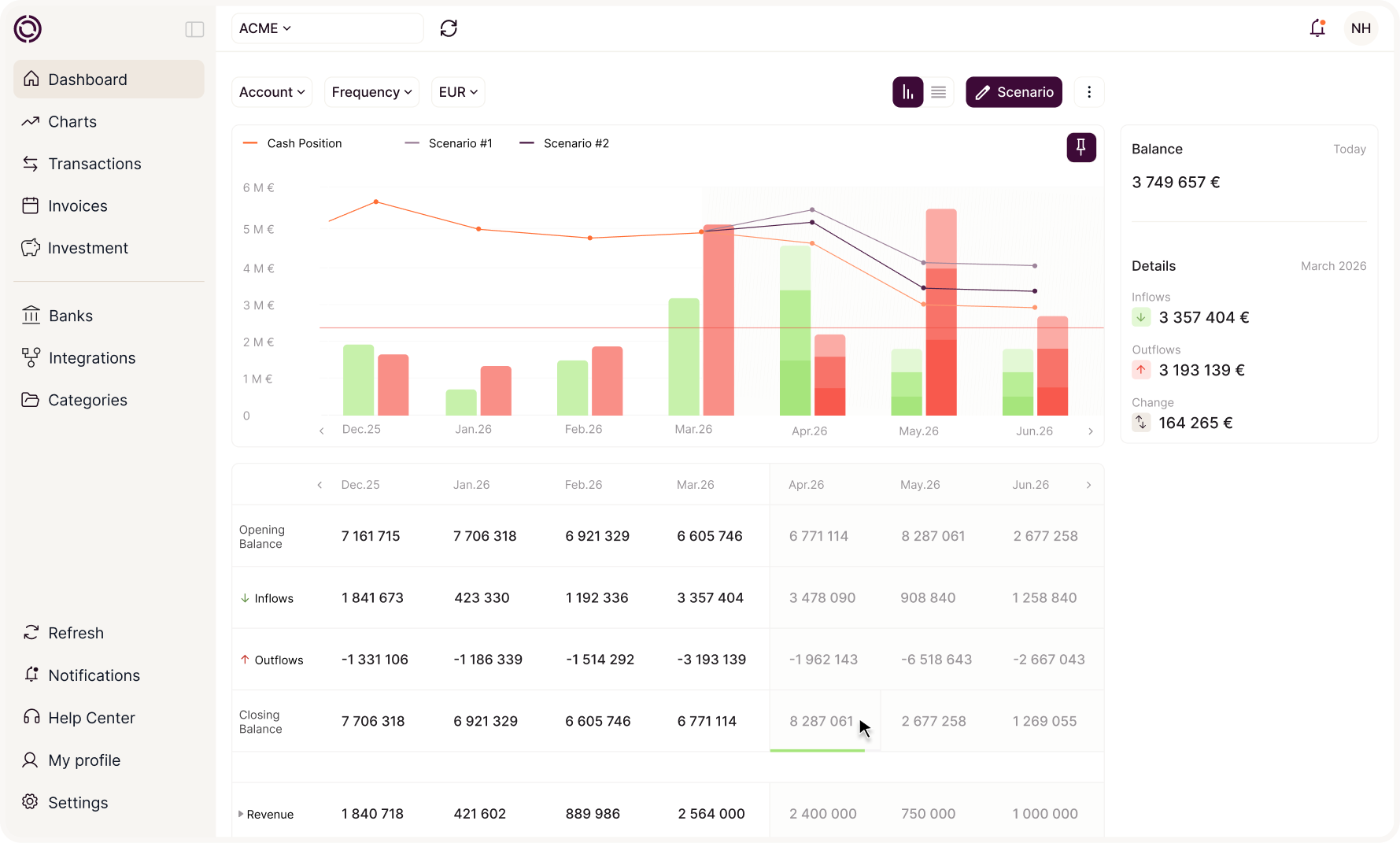
Okimia helps holding companies take back control of their multi-entity cash flow, centralizing flows, forecasts, and financial performance across the entire group.










The specific cash flow challenges holding companies face
Why is cash management particularly difficult for a holding company? We've identified 3 major challenges.

Complex intercompany financial flows
Holding companies manage extremely complex financial structures, with multiple legal entities and intertwined financial flows.
This multiplicity of holdings creates a highly interconnected financial environment where every cash movement becomes a challenge of coordination and traceability.
Fund transfers between subsidiaries, intragroup lending mechanisms, and tax optimization strategies generate an administrative complexity that can quickly become unmanageable without the right tools.

Investment and holdings volatility
A holding company's business model relies on a dynamic, ongoing strategy of investing and divesting.
This approach means constant volatility in financial assets, making cash management particularly unstable and unpredictable.
Changes in the valuation of holdings, disposal opportunities, and acquisition strategies create a financial environment in constant flux, requiring an extremely fine-tuned ability to adapt and project forward.

International financial risk
Holding companies frequently operate internationally, which multiplies financial risk tied to currency fluctuations, differing tax regulations, and varied economic contexts.
Every holding in a different country represents a new risk perimeter, with its own local constraints around repatriating profits, taxation, and financial reporting.
This international dimension considerably complicates the readability and predictability of the group's overall financial position.
Best practices for cash management at a holding company
A few days is all it takes to automate your cash management
01.
02.
03.
Consolidate and centralize the group's financial view
Managing a holding company means maintaining a precise, overall view of financial performance across all holdings. This means developing an integrated approach that lets you track and analyze the financial flows of every entity in the group consistently and in sync. Financial consolidation requires setting up standardized reporting processes that let you quickly and efficiently collect accounting and financial data from each subsidiary. This approach provides full transparency into the group's overall financial health, supporting strategic decision-making and making it easier to quickly identify performance levers or potential risk areas.
Optimize investment strategy and resource reallocation
Holding companies stand out for their ability to dynamically manage a portfolio of holdings. Best practice means developing a proactive approach to allocating and reallocating financial resources across the group's different entities. This involves conducting regular, in-depth analysis of each holding's performance, assessing its growth potential, profitability, and alignment with the group's overall strategy. The goal is to be able to quickly weigh different investment opportunities against each other, redeploying financial resources toward the most promising activities and gradually reducing exposure to underperforming holdings.
Proactively manage intercompany financial risk
The complexity of a holding company lies in its ability to effectively manage the financial risks that can arise between the group's different entities. This means putting in place precise control and monitoring mechanisms for intragroup financial flows, particularly around intercompany loans, cash advances, and cross-financing mechanisms. It's crucial to develop a forward-looking view of potential currency, liquidity, or counterparty risks that could affect the group's overall performance. Proactive management also means defining clear financial governance rules, with validation and control processes that ensure compliance and security for financial transactions between the different entities.

Ready to optimize your cash flow?
Discover how Okimia can transform your financial management starting today.
Why use Okimia for a holding company?
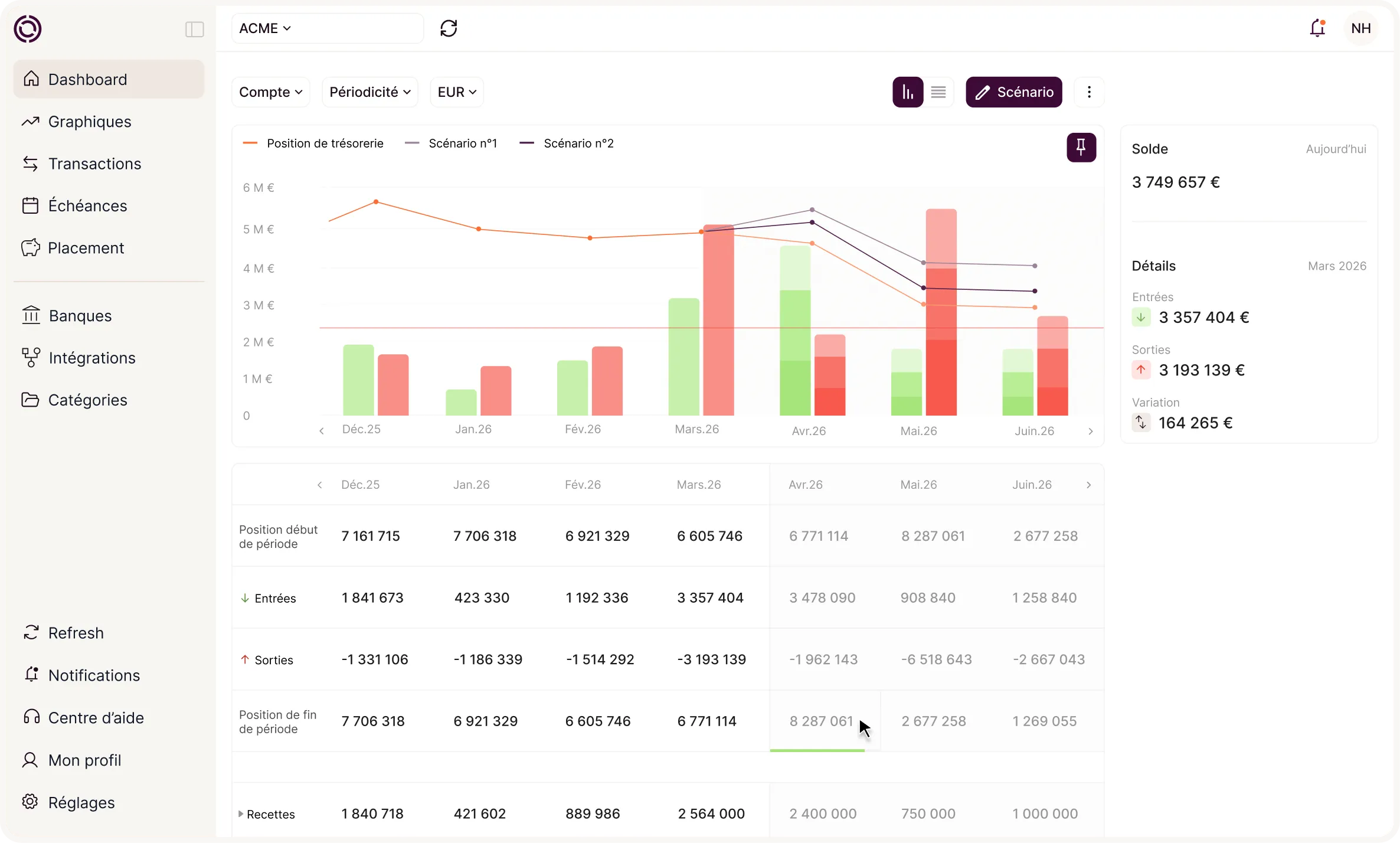
The solution for best managing the financial complexity of a holding company? Use Okimia. On top of managing a given company's standard cash management challenges with great efficiency, Okimia lets you manage multiple entities in one place thanks to its multi-entity view. Find out more below.
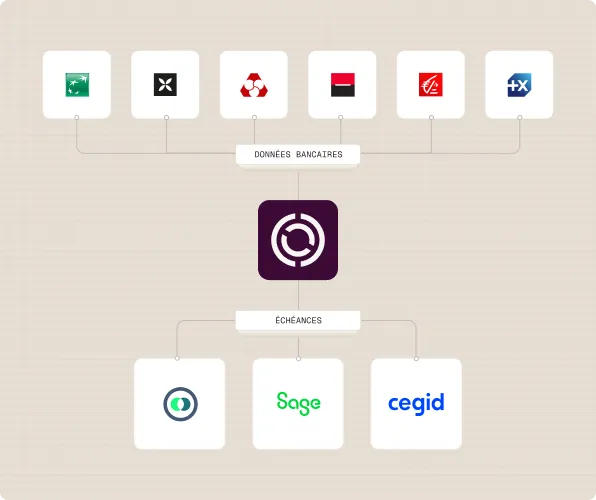
Multi-account bank synchronization
Instantly consolidate the financial flows of all your holdings
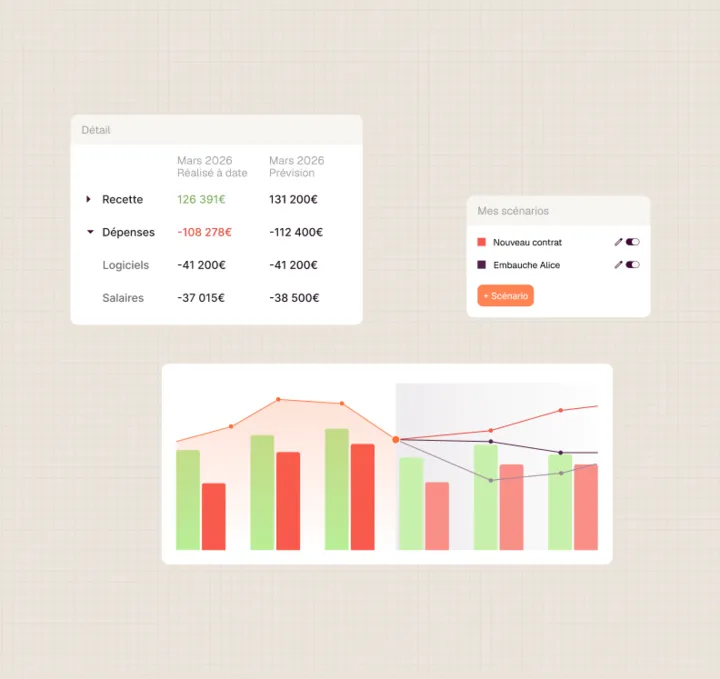
Forecast-vs-actual comparative analysis
Manage your group with surgical precision
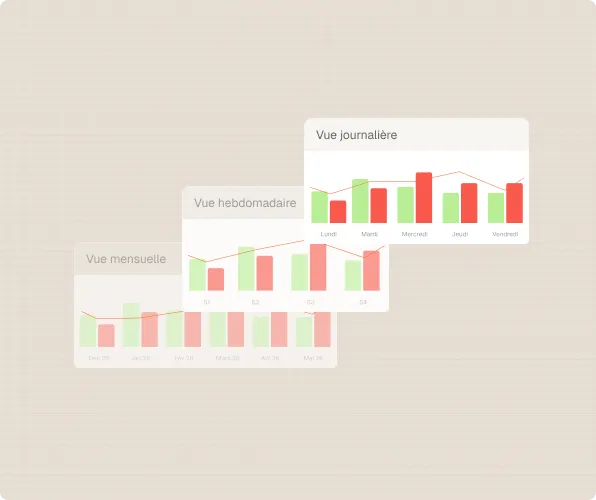
Tailored cash flow forecasting
Simulate the strategic impact of every investment decision
They chose Okimia
Here's what some of our clients say after choosing Okimia to visualize their financial data:

Very effective tool and perfect support! The OKIMIA team takes great care of its clients!

Julien Bazin
OKIMIA is a simple and intuitive solution for managing and monitoring your cash flow. Bank integration is quick and bug-free — I recommend it 100%. My account manager was amazing from start to finish: energetic, available, responsive, and super efficient! THANK YOU OKIMIA TEAM (no one paid me to say this!)

Jean-Baptiste Mignot de Bresc
I use Okimia to see my cash flow more clearly, and as a startup, it makes a real difference. The tool is simple and intuitive — I recommend it!

Thomas Sadoul


We're here to help

Have more questions?
Don't hesitate to contact our teams.
What are the essential features for a holding company?
Crucial features include automatic financial consolidation, investment tracking, intra-group flow management, investment simulations, consolidated regulatory reporting, and comparative performance analysis. The ability to manage foreign exchange risks and fiscally optimise financial movements is also paramount.
Who are Okimia's competitors and which should I choose for a holding company?
Okimia's main competitor is Agicap, but Okimia stands out for its flexibility and value for money. For holding companies, it is crucial to choose a tool capable of managing the complexity of intercompany financial flows, with advanced consolidation and reporting features.
How do I know if my holding company needs cash management software?
Your holding company needs such a tool if you face difficulties quickly consolidating financial data, projecting multi-entity cash flows, or obtaining a global and dynamic view of the group's performance. This is particularly relevant if your group manages several investments, operates in different markets, or is experiencing significant growth.
How much does cash management software cost for a holding company?
Prices vary depending on the number of entities and bank accounts to integrate. At Okimia, pricing is modular, starting at €69 per entity and connected bank account, with options adapted to complex holding structures. The investment should be evaluated against the potential gains in terms of financial optimisation and risk reduction.
How long does it take to implement cash management software for a holding company?
Implementation varies significantly depending on the complexity of your group structure. The timeline can extend from a few weeks to several months, depending on the number of subsidiaries, the diversity of information systems, and the required integration. Okimia offers an adaptive approach that accounts for the complexity of your holding organisation.
How do I build reliable cash flow forecasts for a holding company?
To build precise forecasts, collect detailed historical data from all group entities over several financial years. Analyse cash cycles taking into account the complexity of intercompany flows, investment strategies, and cross-financing opportunities. Factor in all group recurring commitments, potential dividend flows, and investment or divestment scenarios. Use dynamic multi-entity simulations and update your projections regularly.
What are the advantages of cash management software over Excel for a holding company?
A cash management tool offers complete automation of complex financial processes specific to holding companies. Unlike Excel, it enables automatic consolidation of intersubsidiary flows, exhaustive traceability of intra-group transactions, and instant global view of the group's financial performance. Backups are secure, banking data is automatically synchronised, and the tool facilitates multi-entity financial risk management.
How do I choose cash management software for a holding company?
To select the right cash management software for a holding company, it is crucial to identify your group's specific needs: number of subsidiaries, complexity of financial flows, international scope. Look for a solution capable of consolidating multi-entity financial data, offering advanced simulation and projection features. Prioritise a tool offering instant global visibility, with consolidated reporting capabilities and comparative analysis of investments. Okimia can represent a solution adapted to holding structures looking for a powerful and flexible tool.
Request a demo
30 minutes with a specialist who will set up Okimia for your business. They will answer all your questions and show you the product in real-world conditions.
Free trial
Create your account and connect your banks in 5 minutes. 7 days free to explore Okimia at your own pace, no commitment.