How to optimize cash management for a hotel
Hotels are fairly simple businesses to understand, but their cash management is anything but simple. In this article, let's look at the best cash management solutions, including Okimia, cash management software perfectly suited to the hospitality sector.

Hospitality: the essentials on cash management
Cash management is a key challenge for hospitality businesses, whose business model relies on heavy seasonality, high fixed costs, and multiple distribution channels. The pressure comes from a structural imbalance between revenue volatility, unavoidable costs, and complex financial flows:
Okimia helps hospitality businesses secure their cash flow and profitability, providing a clear, forward-looking, operational view of financial flows.











The specific cash flow challenges hospitality businesses face
Why is cash management particularly difficult for a hospitality business? We've identified 3 major challenges.
Extreme seasonality and revenue volatility
The hospitality sector faces particularly pronounced seasonality, with revenue swings of up to 70% between peak and slow periods.
This extreme volatility puts constant pressure on cash flow, forcing establishments to generate enough cash during strong periods to survive the leaner seasons.
Tourist destinations see drastic fluctuations, making forecasting and financial management particularly complex.

Massive, unavoidable fixed costs
Hotels carry substantial, largely fixed costs, including payroll, maintenance, rent or property depreciation, and essential service contracts.
These costs stay the same regardless of occupancy, meaning that during slow periods, the establishment still has to cover the full weight of its structural costs with significantly reduced revenue.
This economic reality puts constant pressure on cash flow and exposes the business to significant financial risk.

A complex financial ecosystem and commissions
The hospitality business model involves multiple distribution channels and financial flows, particularly with online booking platforms that charge significant commissions.
These intermediaries can take up to 15–25% of the sale price, mechanically shrinking margins and complicating cash management.
On top of that, managing deposits, cancellations, and deferred payments adds further complexity to tracking and projecting financial flows.
How to properly manage cash flow for a hospitality business
A few days is all it takes to automate your cash management
01.
02.
03.
Master seasonality and variable financial flows
Cash management in hospitality requires a deep understanding of seasonal revenue swings. Businesses need to develop a flexible financial strategy that builds up reserves during strong periods to absorb slower ones. This approach requires detailed analysis of tourist cycles, precise expense planning, and the ability to adapt constantly. Building a cash reserve becomes essential for maintaining financial stability, allowing the business to cover fixed costs during low-occupancy periods and invest in growth opportunities.
Optimize multi-channel revenue management
A hospitality business's financial performance now depends on a sophisticated revenue strategy that goes well beyond simply renting rooms. It's essential to develop an integrated approach that maximizes revenue across every department: rooms, food and beverage, events, and additional services. This means dynamic pricing that adapts in real time to demand, precise profitability analysis for each service, and a pricing strategy that accounts for the specifics of each customer segment. The ability to understand and anticipate financial flows from each revenue source becomes a major competitive advantage.
Effectively manage costs and investments
Cost control is a strategic priority in the hospitality sector, marked by heavy investments and significant fixed costs. Effective financial management requires a proactive approach to resource allocation, with ongoing cost-benefit analysis of every investment. This means developing a long-term view that accounts for maintenance needs, renovation opportunities, and technology investments. The ability to balance day-to-day spending against strategic investments, while maintaining an optimal cash position, becomes a key factor in the business's resilience and growth.

Ready to optimize your cash flow?
Discover how Okimia can transform your financial management starting today.
Why use Okimia for a hotel?
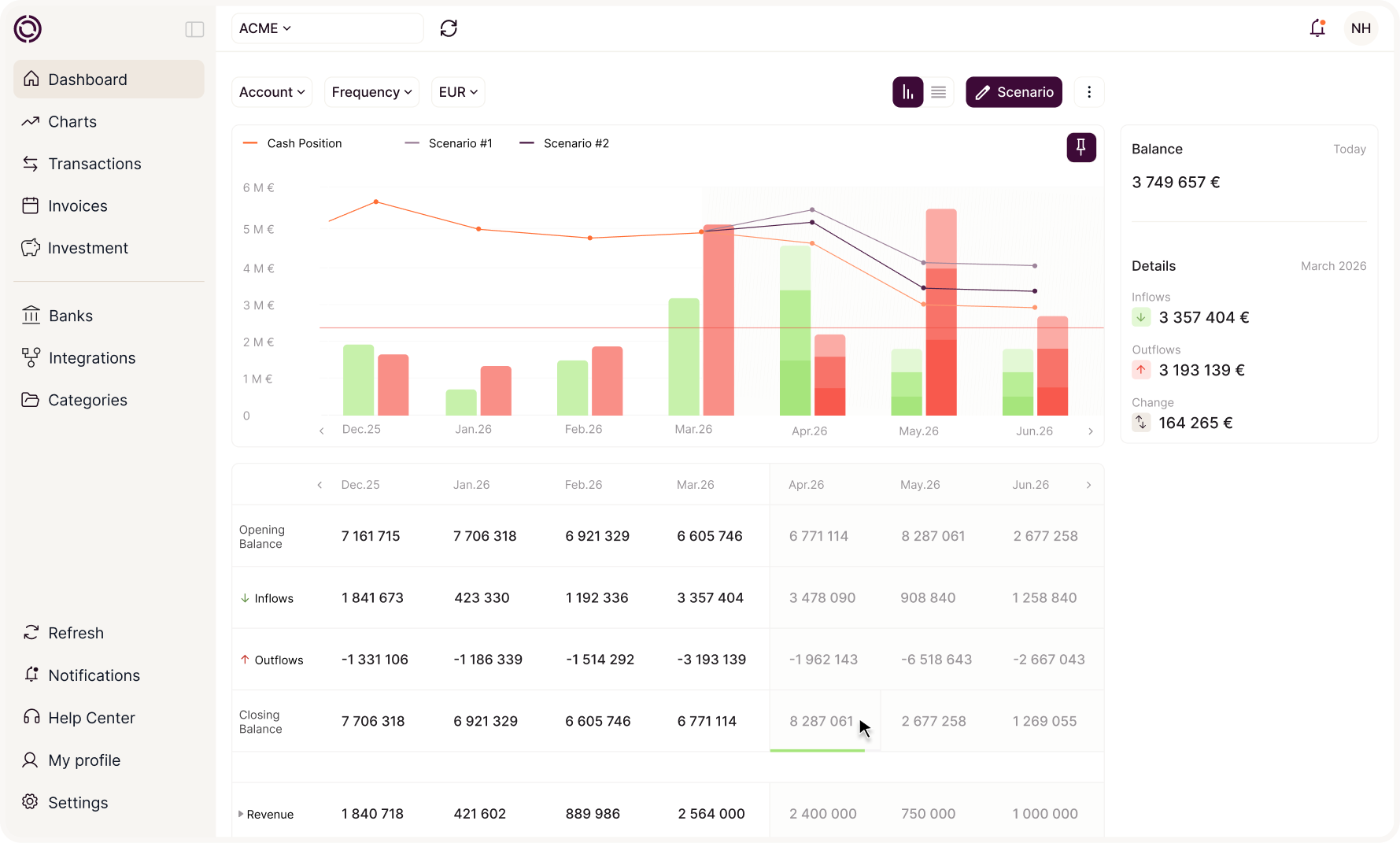
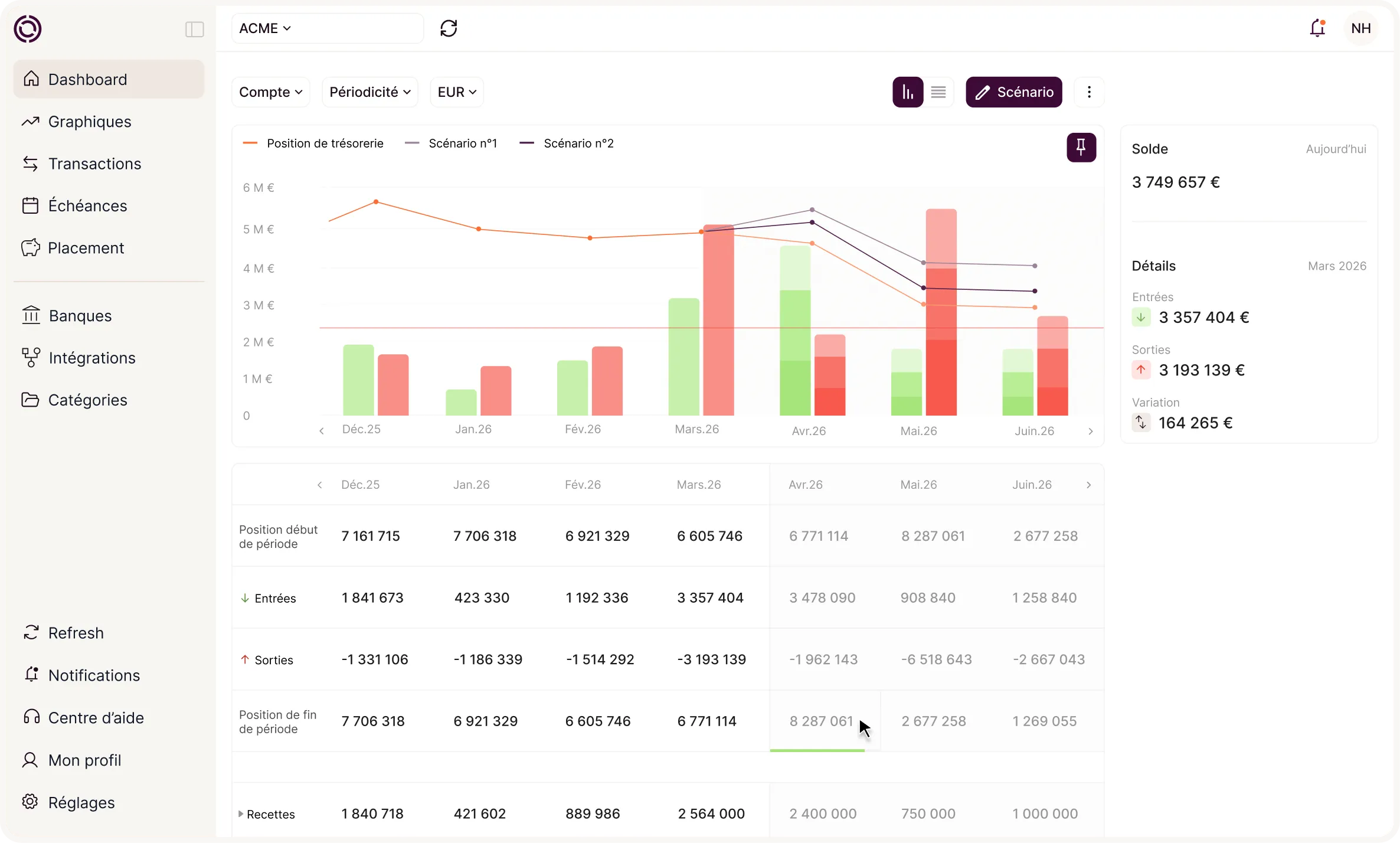
The best way to manage your hotel's cash flow? Use dedicated cash management software like Okimia. Okimia already supports many hotel groups. Read on to discover how cash management software could help you improve your cash management.
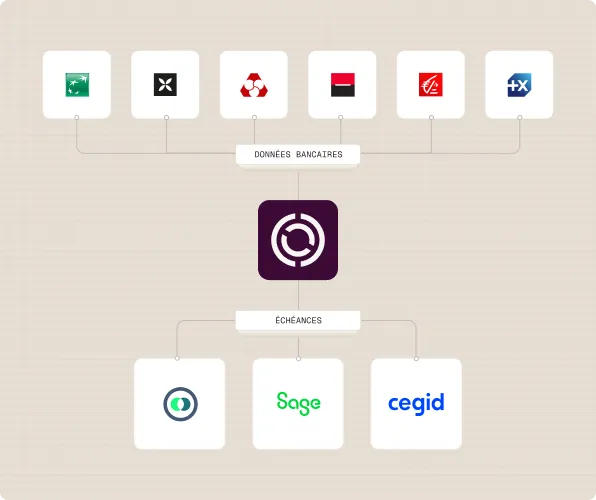
Hotel bank synchronization
Automatically centralize and categorize your multi-service financial flows
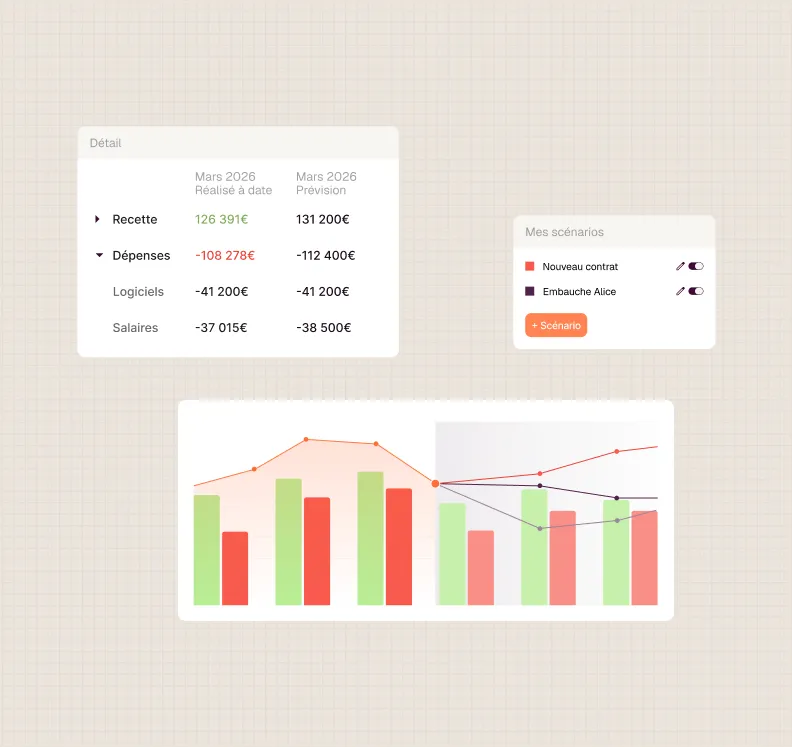
Dynamic cash flow forecasting
Anticipate your financial performance with pinpoint precision
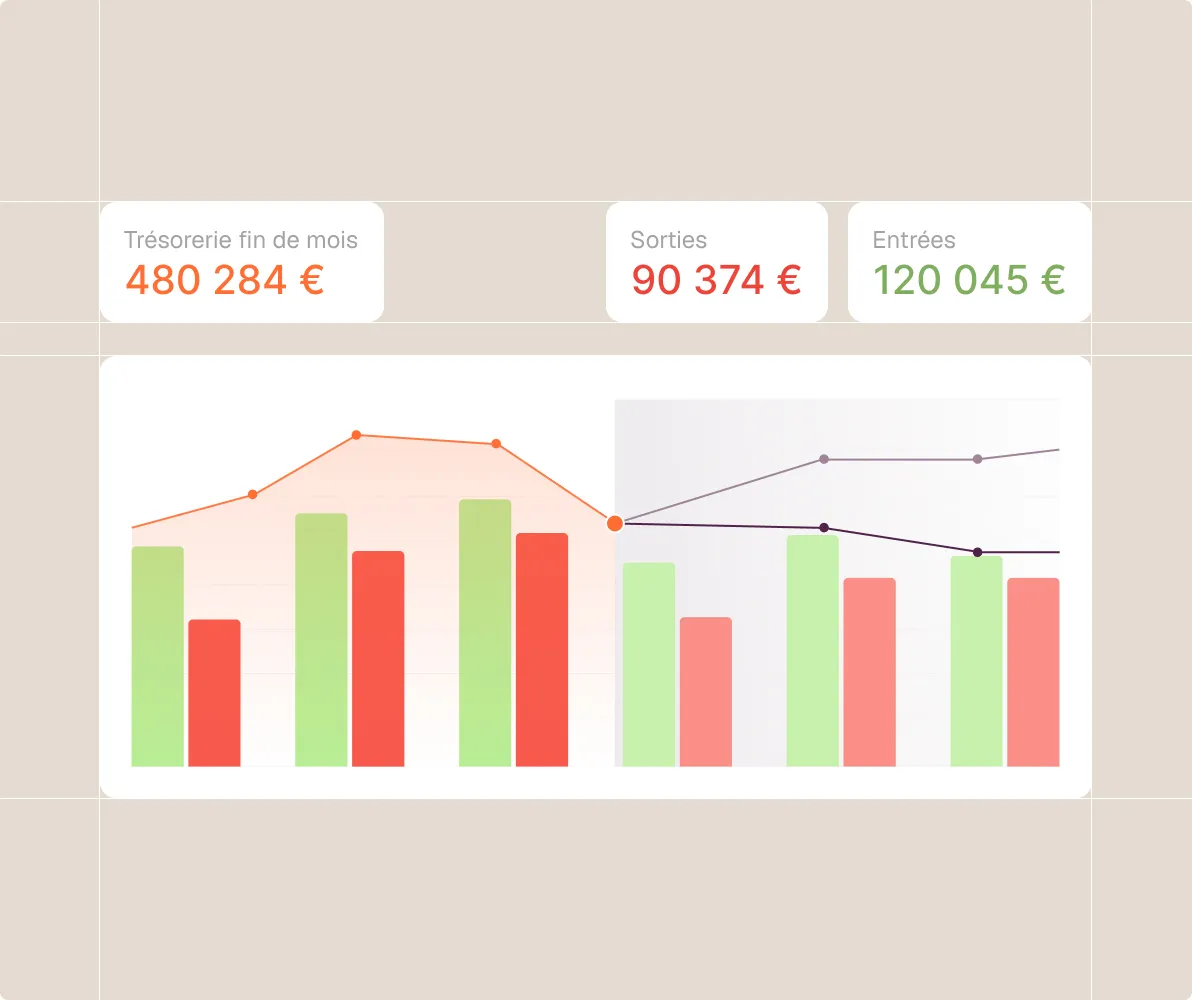
Financial management dashboard
Track the gap between forecast and actuals in real time
They chose Okimia
Here's what some of our clients say after choosing Okimia to visualize their financial data:

Friendly team and easy-to-use tool.

Pierre Boileau
Very practical and intuitive software. Team always attentive, helpful, and friendly. Highly recommended!

Kods Mahdhaoui

Very useful for us on a daily basis: we track all our categorized cash flows in real time! And we automate various financial operations.

Thomas Reynaud


We're here to help

Have more questions?
Don't hesitate to contact our teams.
How do I know if my hotel needs cash management software?
Your establishment needs such a tool if you face difficulties forecasting your cash flow during quiet seasons, if managing different departments becomes complex, or if you lack visibility on your margins. This is particularly relevant for establishments with annual revenue exceeding €500K.
How much does cash management software cost for a hotel?
Prices at Okimia start at €69 per entity and connected bank account. Pricing takes into account the specifics of the hotel sector, with options adapted to small establishments as well as larger hotel chains.
How long does it take to implement cash management software for a hotel?
Implementation varies depending on the complexity of your establishment, the number of services offered, and existing systems. A small hotel can be operational within a few hours, while an establishment with several departments and services may require a few weeks. Okimia offers personalised support to facilitate integration, taking into account the specifics of your establishment.
Who are Okimia's competitors in the hotel sector?
Okimia's main competitor is Agicap, which offers generic solutions. However, Okimia differentiates itself with its sector-specific approach, with features specifically designed for hospitality. User feedback highlights Okimia's simplicity and adaptability for establishments of 5 to 200 rooms.
How do I build reliable cash flow forecasts for a hotel?
For reliable forecasts, collect historical data covering several tourist seasons. Analyse your revenue cycles taking into account the extreme seasonality of the sector, which can impact flows by +/- 70%. Factor in all fixed costs (staff, maintenance) and variable costs (consumables, temporary staff). Account for local events, tourist periods, and potential special events that may influence your activity.
What are the advantages of cash management software over Excel for a hotel?
A cash management tool offers complete automation of hotel-specific financial processes. Unlike Excel, it enables real-time synchronisation of data from different departments (accommodation, catering, conferences), with automated dashboards. Managing booking platform commissions, margin tracking by service, and anticipating quiet periods become simpler and more precise.
How do I choose cash management software for a hotel?
To choose the right cash management software, start by identifying the specifics of your establishment: number of rooms, additional services, seasonality. Prioritise a tool capable of managing the complexity of hotel financial flows, with dedicated features such as revenue tracking by department and integration with hotel management systems. Check the ability to manage seasonal variations and multi-currency. Okimia can be a solution adapted to establishments seeking a strategic approach to their financial management.
Request a demo
30 minutes with a specialist who will set up Okimia for your business. They will answer all your questions and show you the product in real-world conditions.
Free trial
Create your account and connect your banks in 5 minutes. 7 days free to explore Okimia at your own pace, no commitment.