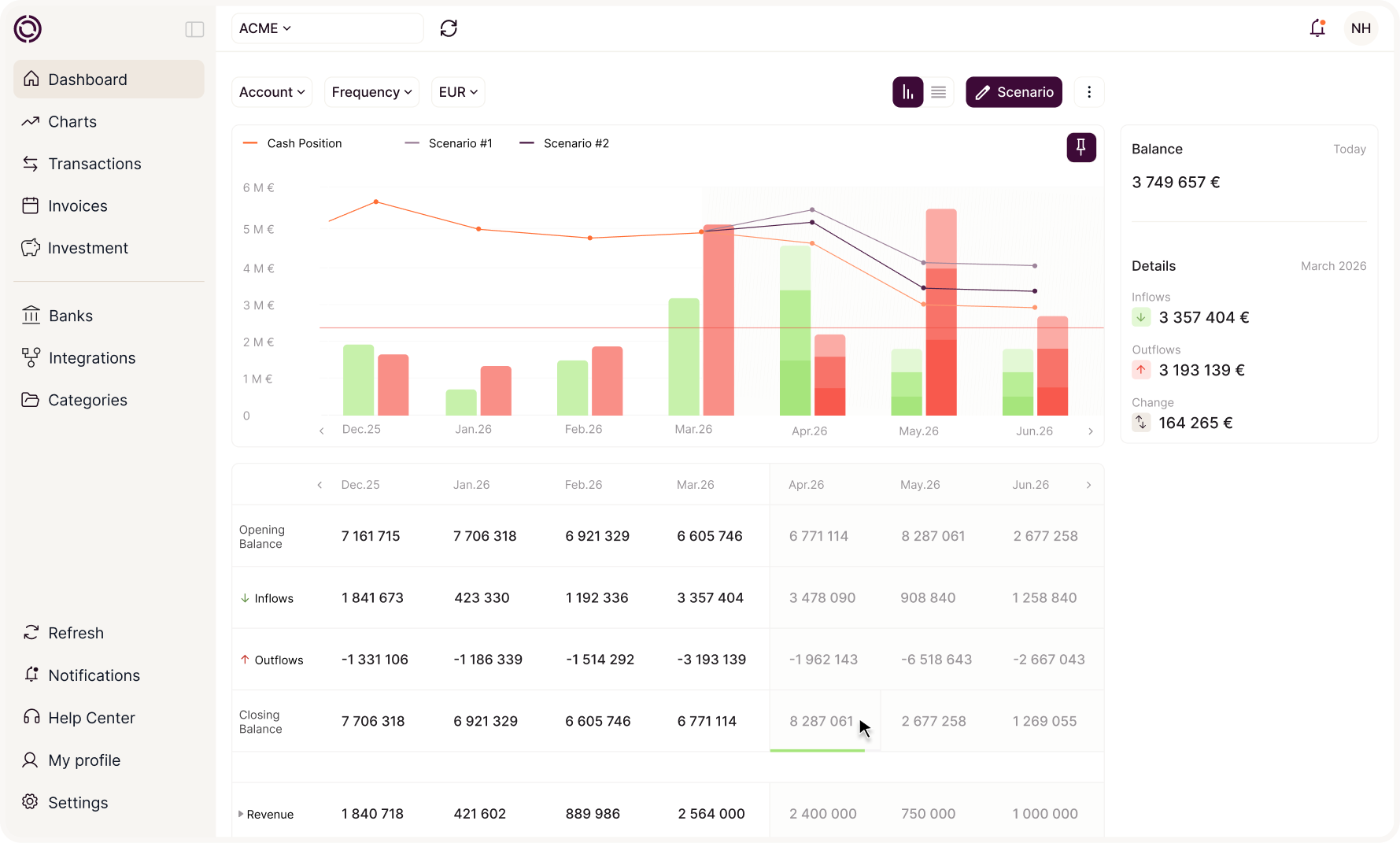
How to optimize cash management for a real estate agency?
Real estate agencies face specific challenges when it comes to cash management. If you're a manager or founder of a real estate agency wondering how to optimize your cash management, read this article, where we share our best advice.

Real estate agencies: the essentials on cash management
Cash management is a key challenge for real estate agencies, whose business model relies on irregular commissions, long sales cycles, and strict regulatory constraints. The pressure comes from a structural mismatch between sales effort, transaction timing, and actual cash receipts:
Okimia helps real estate agencies secure their cash flow and compliance, providing a clear, forward-looking, and structured view of financial flows.












The specific cash flow challenges real estate agencies face
Why is cash management particularly difficult for a real estate agency? We've identified 3 major challenges.

Irregular real estate commissions
Real estate agencies operate under an inherently volatile business model, where revenue depends entirely on deals actually closing.
An agency can go months without a single commission, followed by periods when several sales close at once.
This natural discontinuity in revenue puts constant pressure on cash flow, forcing agencies to maintain significant financial reserves to absorb the slower periods.

Complex delays between transaction and payment
The real estate market's defining feature is the considerable gap between signing the listing agreement, the sale actually closing, and the commission being paid.
This process can stretch over several months, or even more than a year, with multiple legal and administrative steps that systematically extend the time before revenue is received.
The agency therefore has to cover its fixed costs without clear visibility into future cash inflows.

Regulatory constraints and fund segregation
The real estate sector is subject to strict regulatory requirements around fund management, particularly the strict separation between client funds (deposits, guarantees) and the agency's own operating funds.
This complexity requires agencies to maintain extremely precise traceability and accounting transparency, increasing the risk of financial mismanagement and requiring ongoing control processes that take up significant resources.
Best practices for cash management at a real estate agency
A few days is all it takes to automate your cash management
01.
02.
03.
Secure and trace financial flows tied to transactions
Managing funds at a real estate agency requires absolute vigilance around financial movements. Every real estate transaction involves complex flows, including security deposits, commissions, and client funds, which must be rigorously separated and documented. This approach ensures full transparency of financial movements, protects against the risk of misappropriation, and ensures strict compliance with regulatory obligations. Precise traceability of every transaction becomes a strategic priority, making it possible to account for the origin and destination of funds at any time, while protecting both the agency's integrity and clients' interests.
Anticipate the irregular revenue cycles of the real estate market
The real estate sector is marked by extreme revenue variability, with periods of intense activity alternating with quieter phases. Effective cash management requires building forecasting models that account for this complex seasonality. It becomes essential to build up financial reserves during strong periods to absorb tougher moments, by closely analyzing historical trends and market indicators. This forward-looking approach helps maintain the agency's financial stability, anticipating potential cash flow pressure and developing revenue diversification strategies to smooth out fluctuations.
Optimize the invoicing and collection process
A real estate agency's financial performance depends heavily on its ability to invoice quickly and collect its commissions effectively. This means putting in place precise, responsive invoicing processes, with clearly defined and communicated payment terms. Systematic follow-ups, segmenting clients based on their payment behavior, and tailoring collection approaches become essential levers. The goal is to shorten collection times, minimize unpaid amounts, and smooth the process of turning transactions into actual revenue, all while maintaining positive client relationships.

Ready to optimize your cash flow?
Discover how Okimia can transform your financial management starting today.
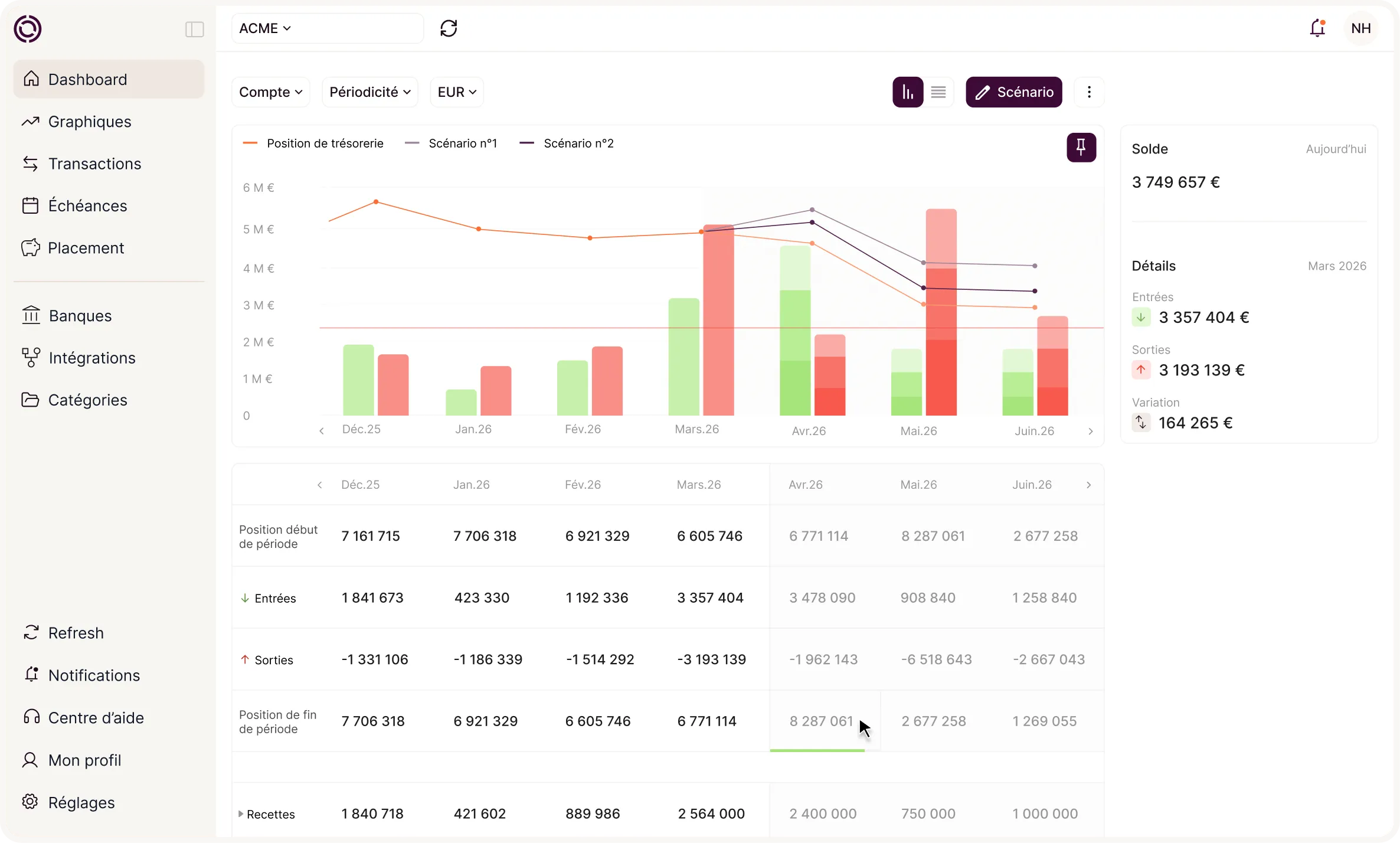
Why use Okimia for a real estate agency?
The solution for managing your cash flow at its best: Okimia. We're used to working with real estate agencies, so we understand your challenges inside and out.
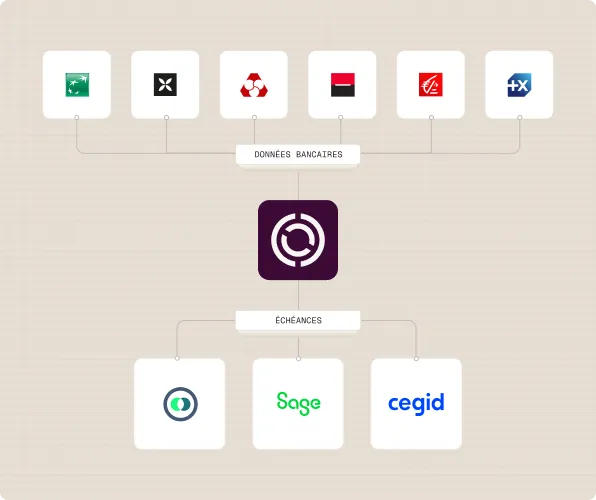
Automatic bank synchronization
Centralize and improve the financial traceability of your real estate transactions
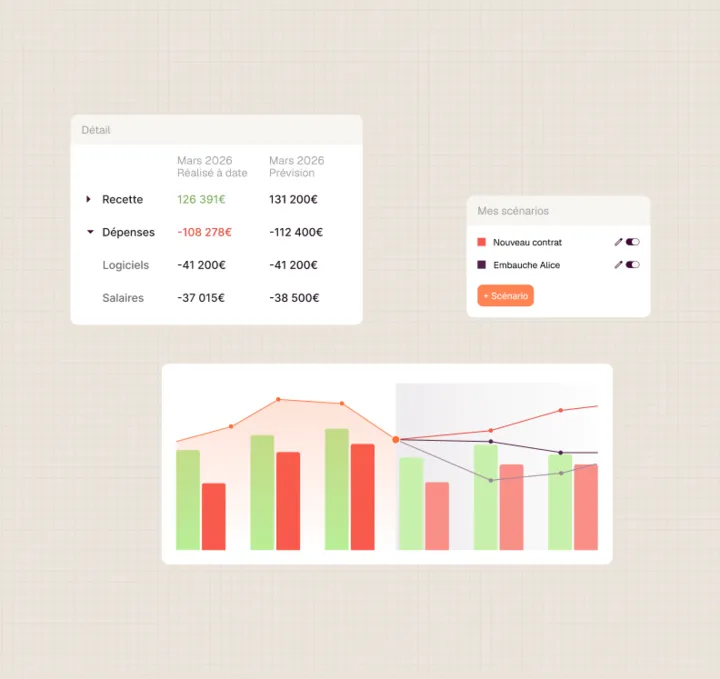
Real estate forecasting and management
Turn market uncertainty into a strategic opportunity
Smart financial reporting
Make the best decisions through detailed analysis
They chose Okimia
Here's what some of our clients say after choosing Okimia to visualize their financial data:

I use Okimia to see my cash flow more clearly, and as a startup, it makes a real difference. The tool is simple and intuitive — I recommend it!

Thomas Sadoul
OKIMIA is a simple and intuitive solution for managing and monitoring your cash flow. Bank integration is quick and bug-free — I recommend it 100%. My account manager was amazing from start to finish: energetic, available, responsive, and super efficient! THANK YOU OKIMIA TEAM (no one paid me to say this!)

Jean-Baptiste Mignot de Bresc

Very useful for us on a daily basis: we track all our categorized cash flows in real time! And we automate various financial operations.

Thomas Reynaud


We're here to help

Have more questions?
Don't hesitate to contact our teams.
How much does cash management software cost for a real estate agency?
Prices vary depending on the size of the agency and the features required. Some solutions offer packages from €99 per month for small structures, with scalable options depending on the number of entities and bank accounts. It is crucial to consider the return on investment, particularly in terms of time saved and financial optimisation.
How long does it take to implement cash management software for a real estate agency?
Implementation varies depending on the size and complexity of your agency, typically between a few days and a few weeks. The process includes integrating historical data, synchronising bank accounts, and configuring the specifics of your activity. Duration depends on the number of accounts, team members, and the complexity of your real estate-specific financial flows.
How do I build reliable cash flow forecasts for a real estate agency?
To build precise forecasts, collect historical data on your real estate transactions covering at least 12–18 months. Analyse your commission cycles taking into account real estate market seasonality, variations by property type and transaction. Factor in recurring commitments, fixed costs, and estimate potential income based on mandates in progress and local market prospects. Use differentiated scenarios that account for the volatility of the real estate sector.
How do I choose cash management software for a real estate agency?
To choose the right cash management software, first identify your specific needs: real estate transaction volume, number of mandates, commission complexity. Look for a tool capable of managing sector particularities such as escrow fund tracking, separation of client and professional flows, and commission analysis. Check compatibility with your real estate CRM software and ensure support understands your sector's regulatory challenges.
What are the advantages of cash management software over Excel for a real estate agency?
A cash management tool offers complete automation of real estate-specific processes, significantly reducing commission calculation errors. Unlike Excel, it enables precise bank synchronisation, automatic mandate tracking, and exhaustive transaction traceability. Dashboards are adapted to real estate specifics, with analyses by transaction type, facilitated management of different VAT rates, and alerts on potentially quiet periods.
How do I know if my real estate agency needs cash management software?
Your agency needs a dedicated solution if you face difficulties forecasting your income, tracking your commissions precisely, managing quiet periods, or if you lack visibility on your financial flows. This is particularly relevant if your agency manages several transaction types or if you are experiencing significant growth.
Request a demo
30 minutes with a specialist who will set up Okimia for your business. They will answer all your questions and show you the product in real-world conditions.
Free trial
Create your account and connect your banks in 5 minutes. 7 days free to explore Okimia at your own pace, no commitment.