How to optimize cash management for a nonprofit organization
Nonprofits face specific challenges when it comes to cash management. If you're a manager or founder of a nonprofit wondering how to optimize your organization's cash management, read this article, where we share our best practices.

Nonprofits: the essentials on cash management
Cash management is a key challenge for nonprofits, whose business model relies on multiple, often unstable funding sources and strict transparency requirements. The difficulties stem from a structural imbalance between uncertain resources, regulatory constraints, and the need to keep social missions running:
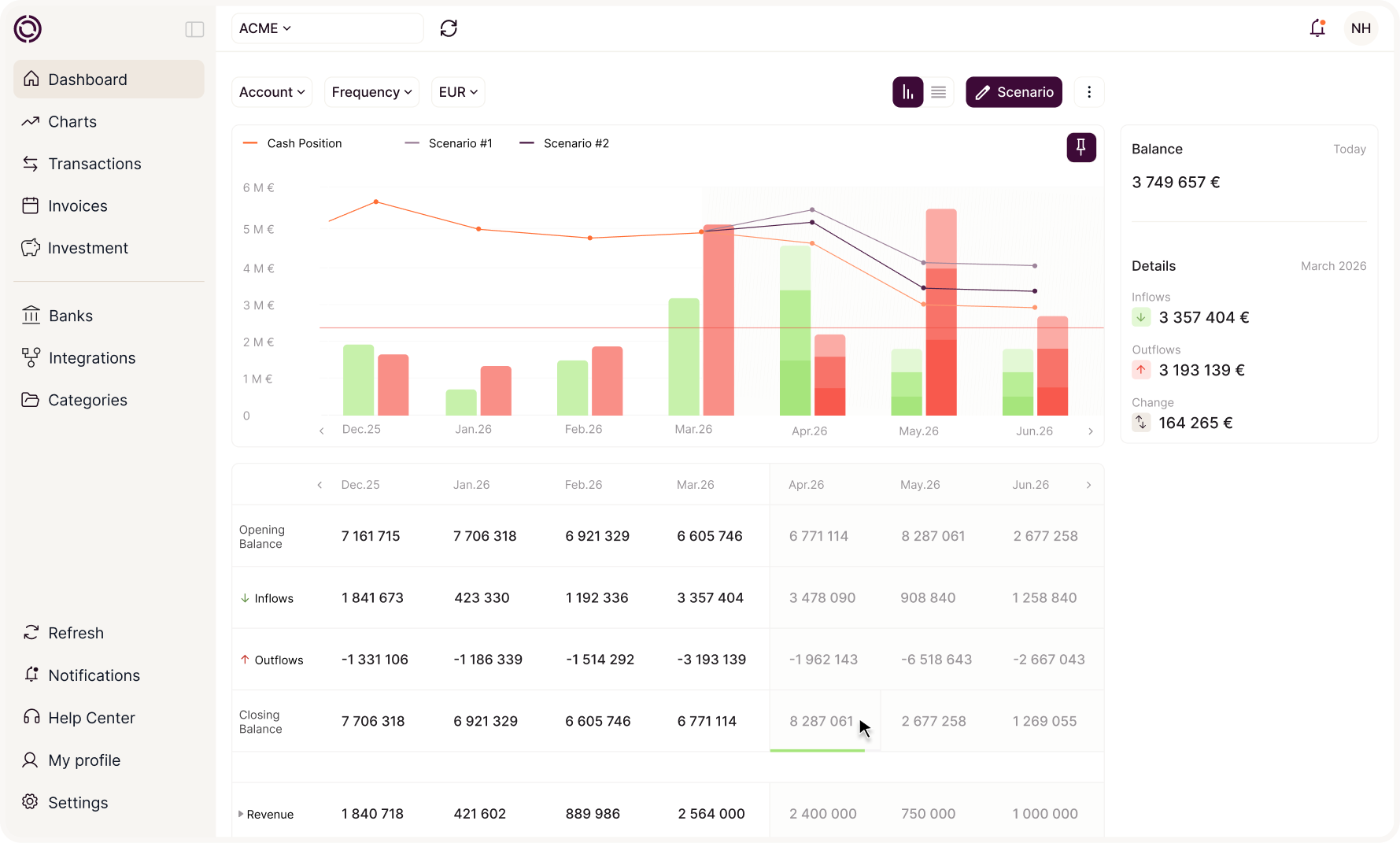
Okimia helps nonprofits secure their cash flow while meeting their transparency requirements, offering a clear, structured, forward-looking view of financial flows.










The specific cash flow challenges nonprofits face
Why is cash management particularly difficult for a nonprofit organization? We've identified 3 major challenges.

Volatility and diversity of funding sources
Nonprofits operate under a unique business model, marked by multiple, highly unstable revenue sources.
Unlike traditional businesses, they depend on public grants with unpredictable payment schedules, fluctuating private donations, and project-based funding whose renewal is never guaranteed.
This mix of resources creates constant uncertainty around financial flows, making budget forecasting particularly complex and fragile.
Regulatory constraints and strict fund allocation
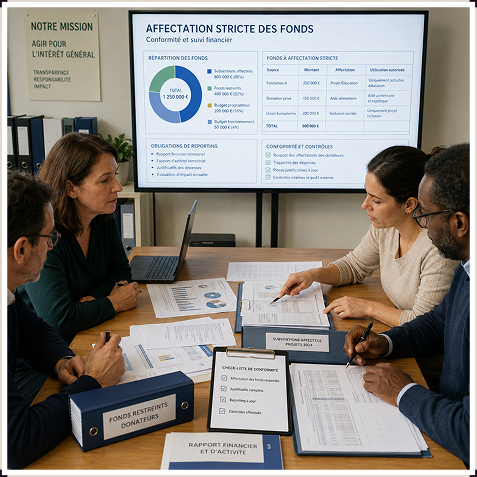
The nonprofit sector is subject to extremely strict transparency and financial traceability requirements.
Every euro received must be precisely documented and allocated to specific missions, with a detailed justification requirement toward the various funders.
This need for precise reporting creates a heavy, complex administrative burden, where even a small discrepancy can jeopardize future funding and the organization's credibility.

The gap between social mission and economic reality
Nonprofits operate in an environment where social impact takes priority over financial considerations, yet the organization's survival still depends on rigorous financial management.
This paradox creates constant tension between the desire to carry out socially valuable projects and the actual ability to fund them.
The lack of financial flexibility and the reliance on external funding weaken nonprofits' ability to sustain their activity and plan confidently for the future.
Best practices for cash management at a nonprofit organization
A few days is all it takes to automate your cash management
01.
02.
03.
Build transparent, rigorous financial traceability
Financial management at a nonprofit is built on a fundamental principle of full transparency. Every euro must be precisely accounted for, whether it comes from public grants, private donations, or membership dues. This approach requires setting up a meticulous tracking system where every transaction is documented, categorized, and linked to a specific project or mission. Keeping a detailed financial log not only meets legal reporting obligations, but also strengthens trust with donors and institutional partners. This traceability becomes a genuine governance tool, demonstrating the organization's ability to manage its resources effectively and allocate funds strategically and responsibly.
Anticipate and manage financial flows dynamically
The nonprofit sector is marked by financial resources that are often irregular and dependent on multiple external factors. It becomes essential to develop an agile, multi-criteria approach to financial forecasting. This means building precise financial scenarios that account for the seasonality of grants, fundraising periods, and ongoing operational projects. The ability to model different financial environments helps the organization protect itself against cash flow disruptions and be proactive in its budget management. This forward-looking approach requires regularly analyzing cash flows, a deep understanding of funding cycles, and the ability to adapt quickly to changing circumstances.
Professionalize collaborative financial governance
Nonprofits are unique in relying on collaborative governance involving multiple stakeholders with varied skill sets. Professionalizing financial management becomes a strategic priority, achieved by putting in place clear processes, well-defined delegation of responsibilities, and tracking dashboards accessible to all board members. The goal is to build a shared financial culture where every board member understands the organization's economic challenges, without needing to be an accounting expert. Financial communication should be regular, educational, and transparent, allowing everyone to understand budget trade-offs and strategic choices. This collaborative approach strengthens the organization's legitimacy and its ability to mobilize resources.

Ready to optimize your cash flow?
Discover how Okimia can transform your financial management starting today.
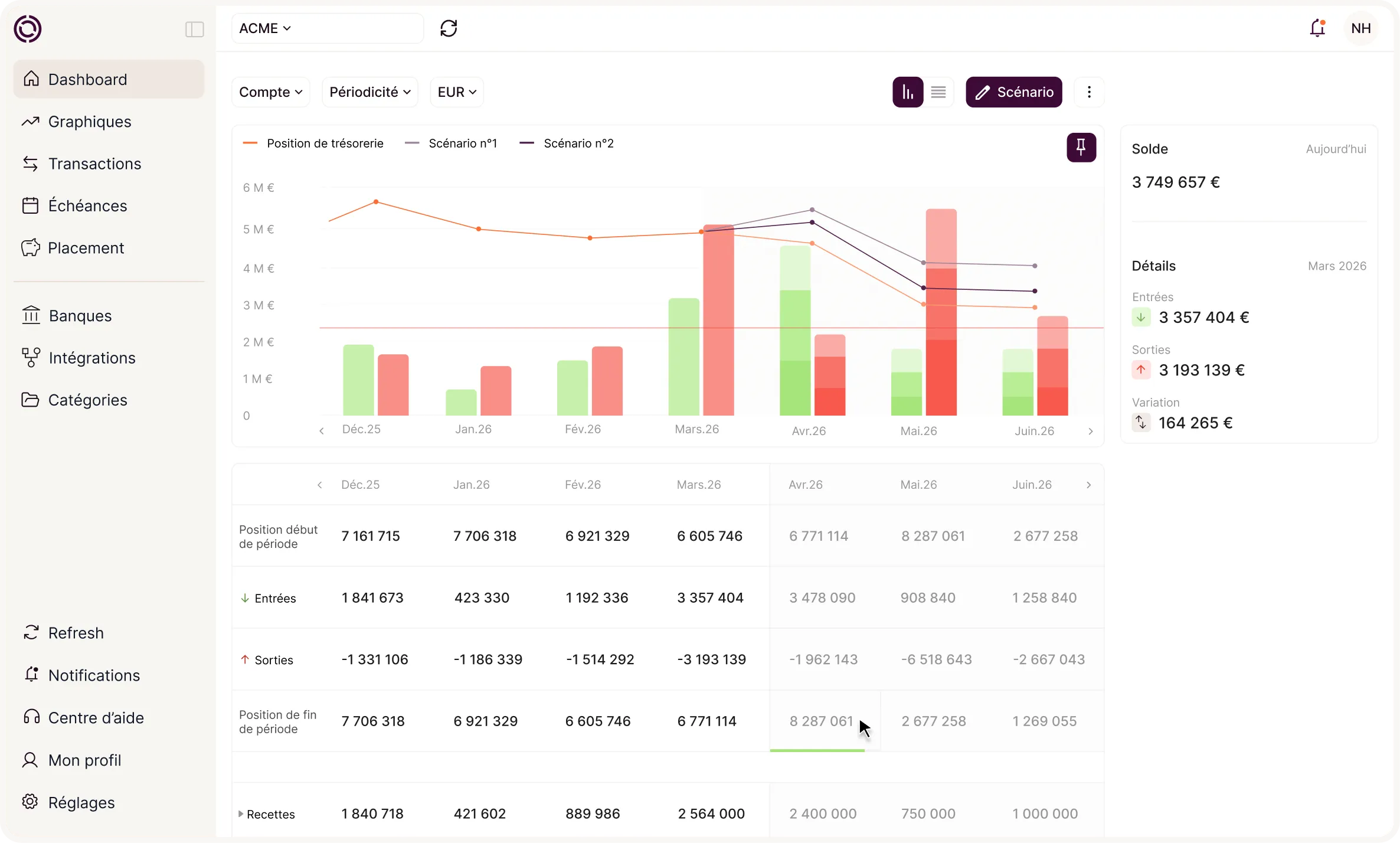
Why use Okimia for a nonprofit organization?
The solution for optimizing your cash management: use software built for the job, like Okimia. Okimia already supports many nonprofits in their day-to-day cash management. Let's take a closer look below at how cash management software like Okimia can help your organization manage its cash flow at its best.
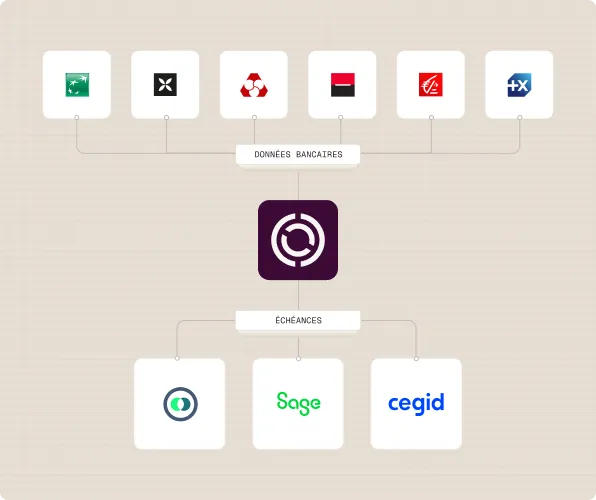
Automatic bank synchronization
Precise traceability of financial resources and funding flows
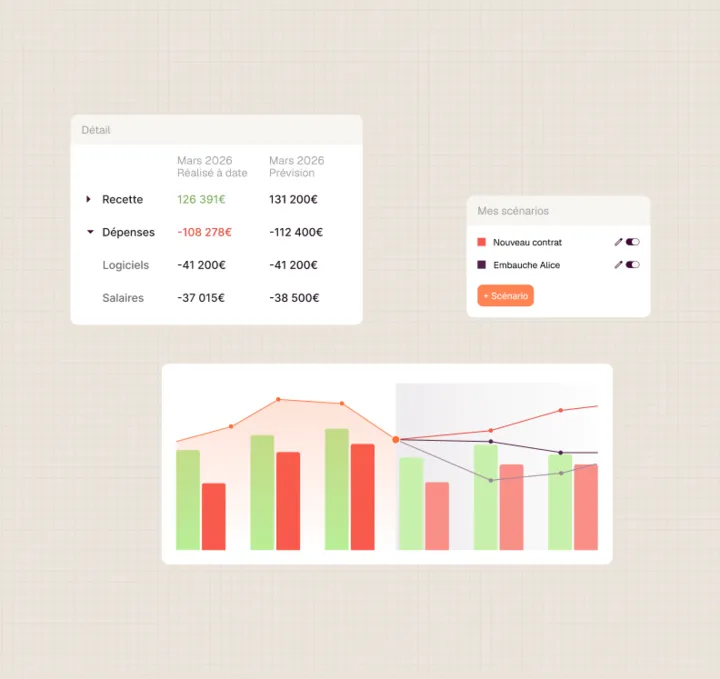
Cash flow forecasting
Anticipate your financial needs and secure your social projects
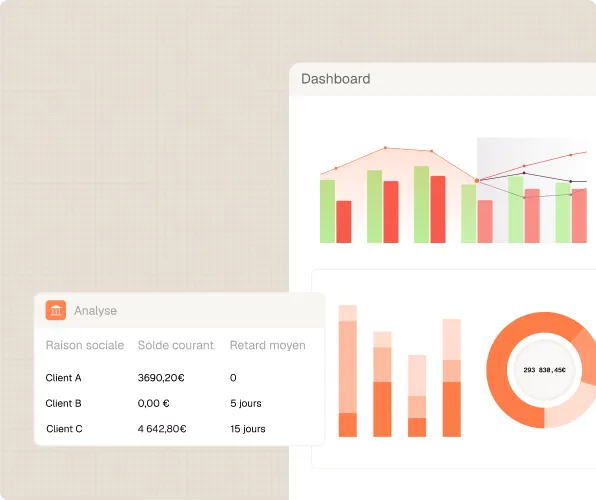
Forecast-vs-actual comparative analysis
Precisely track the execution of your projects and budgets
They chose Okimia
Here's what some of our clients say after choosing Okimia to visualize their financial data:

Great software and great sales team, I recommend.

Isabelle Orsetti
An essential tool for startups, SMBs and mid-market companies to track their cash flow and anticipate future cash needs. An ergonomic, intuitive platform that doesn't require hours of configuration. In short, an ideal cash management tool for running your business!

Stéphane Jolly
Alexia from OKIMIA is truly attentive and service-oriented — for once I have a software vendor who isn't just there to sell, but genuinely cares about the user experience. I highly recommend!

Sébastien Théophile


We're here to help

Have more questions?
Don't hesitate to contact our teams.
What are the essential features of non-profit treasury software?
Non-profit treasury software must offer: membership and donation management, automation of accounting entries, bank reconciliation, production of accounting documents, collection and payment tracking. Other features such as a CRM module, secure shared access, or financial management tools can also be a real asset.
How do you keep a small non-profit's cash accounts?
Cash accounting involves recording only collections and payments. For small non-profits, non-profit treasury software greatly simplifies this management. It allows the treasurer to save time through automation and ensure clear tracking of activity.
How do I choose open source or free non-profit accounting software?
When choosing open source non-profit accounting software or a 100% free non-profit management tool, you should evaluate the breadth of features, ease of use, and available support. A good solution must cover financial management, bank reconciliation, and document production.
What is the best accounting software for a non-profit?
The best accounting software for a non-profit must combine ease of use, extensive features, and automation of accounting entries. It must enable bank reconciliation, production of accounting documents, and offer a clear interface. Unlike non-profit accounting on Excel, genuine non-profit accounting software provides more secure and scalable management.
How do you properly manage a non-profit's treasury?
Managing a non-profit's treasury requires rigorous tracking of collections, payments, and donations. Non-profit treasury software automates certain tasks, centralises documents, and ensures accounting management compliant with legal obligations. Using an appropriate accounting tool ensures a clear, simple view of activity, while simplifying the treasurer's work.
Is there free non-profit treasury software?
Yes, it is possible to find free non-profit treasury software. Some of these tools offer essential features, such as collection and payment tracking. Nevertheless, free software generally remains limited. For small non-profits, a free solution may suffice, but a dedicated accounting tool remains more reliable in the long term.
Request a demo
30 minutes with a specialist who will set up Okimia for your business. They will answer all your questions and show you the product in real-world conditions.
Free trial
Create your account and connect your banks in 5 minutes. 7 days free to explore Okimia at your own pace, no commitment.